The Best Bodybuilding Supplements: Backed Up by Proper Nutrition
Walk into any supplement shop and you will find shelves full of powders, capsules, tablets and drinks, all promising bigger muscles, greater strength and faster recovery. With so many products competing for your attention, it is easy to believe that building an impressive physique requires a complicated supplement routine.
The reality is rather different.
After decades in bodybuilding, I believe the foundations of a good physique remain consistent: progressive weight training, adequate recovery and a nutritious diet. Supplements can help, but they should support these foundations rather than replace them.
Whether your goal is to build muscle, improve strength, maintain your physique as you get older or simply become fitter, it pays to understand which supplements deserve consideration and which are largely unnecessary.
1. Protein Powder: Convenient, but Not Essential
Protein is one of the most important nutrients for anyone who trains with weights. Your muscles need amino acids to repair and build tissue following resistance training.
However, you do not necessarily need protein powder to achieve good results. Meat, fish, eggs, dairy products and other protein-rich foods can provide everything you need to build muscle.
Whey protein is popular because it is convenient, easily digested by most people and rich in essential amino acids, including leucine, which plays an important role in stimulating muscle protein synthesis.
Casein protein is another option. It digests more slowly than whey and can be useful when you want a convenient protein source between meals or before bed.
For those following a ketogenic/carnivore or low-carbohydrate diet, protein powders with minimal added sugar can fit into the diet quite easily.
The important point is to meet your daily protein requirements. A shake is simply a convenient way to help you do that when ordinary food is impractical.
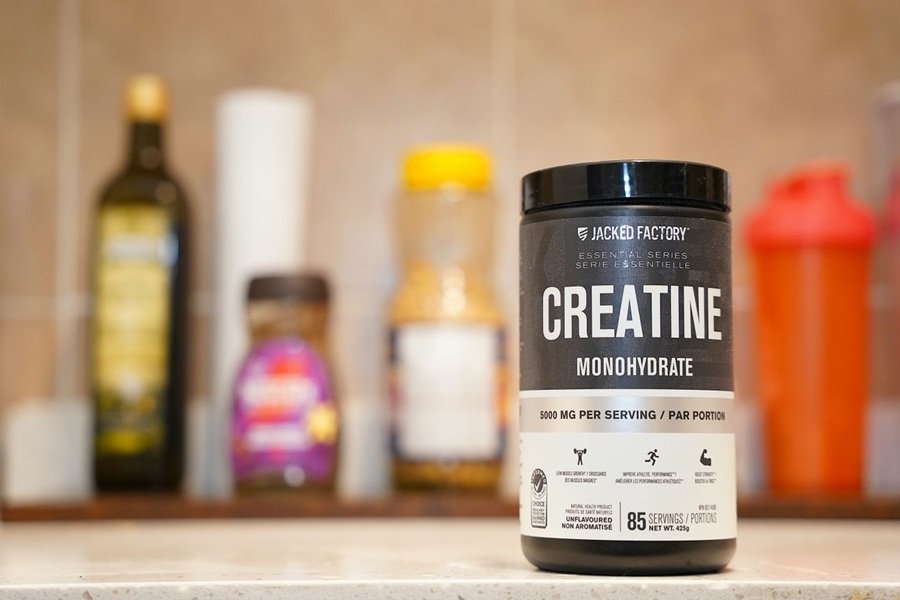
2. Creatine: One of the Best-Studied Supplements
Creatine monohydrate deserves serious consideration for anyone interested in strength and muscle development and is clearly one of the best bodybuilding supplements.
Your body naturally produces creatine, and you also obtain some from foods such as red meat and fish. It helps your muscles rapidly regenerate ATP, the energy source used during short, intense efforts such as lifting weights.
Supplementing with creatine can improve performance during repeated high-intensity exercise and help support gains in strength and lean mass when combined with resistance training.
A typical approach is 3–5 grams of creatine monohydrate daily. A loading phase is optional, not essential.
Creatine can cause a modest increase in body-weight because it increases water stored within the muscles. This is not the same as gaining body fat.
For older bodybuilders, maintaining strength and muscle becomes increasingly important. Creatine may be a useful addition to a well-structured training and nutrition programme.
People with kidney disease or other relevant medical conditions should seek medical advice before supplementing.
3. Vitamin D: Supporting Muscle Function
Vitamin D is essential for normal bone health and muscle function. In the UK, limited sunlight during autumn and winter makes it particularly relevant to consider whether your intake is adequate.
However, taking more is not necessarily better. Vitamin D supplementation is most useful when it corrects an inadequate intake or deficiency.
Dietary sources include oily fish, egg yolks and certain fortified foods, although it can be difficult to obtain sufficient vitamin D from food alone.
If you supplement, pay attention to the dose and avoid combining several products that contain vitamin D without checking the total. Typical doses are 1,000iu, 4,000iu and 10,000iu.
Bodybuilders sometimes become so focused on muscle-building supplements that they overlook basic nutritional needs. Correcting a deficiency can be more worthwhile than buying another product promising improved performance.
Finally, make sure that you source Vitamin D3 and not the rubbish D2, prescribed by some medical institutions. And, if you can get Vitamin D3 combined with Vitamin K2, it will ensure that ALL calcium is correctly deposited into bones and teeth – not arteries!
4. Omega-3 Fatty Acids: Look After Your Overall Health
Omega-3 fatty acids are found in oily fish such as sardines, mackerel and salmon. They are involved in normal cell function and play a role in the body’s inflammatory processes.
For a bodybuilder, general health matters just as much as muscle size. Consistent training over many years depends on looking after your body rather than simply chasing short-term results.
Eating oily fish regularly is a practical way to obtain omega-3 fats. Fish oil supplements may be useful for people who rarely eat fish, although product quality and the amount of EPA and DHA provided vary.
Omega-3 supplements should not be regarded as a guaranteed way to reduce muscle soreness or accelerate recovery. Their value depends on your overall diet and circumstances.
Anyone taking anticoagulant medication or preparing for surgery should discuss supplementation with a healthcare professional.
5. Magnesium: An Important Mineral
Magnesium contributes to normal muscle and nerve function, energy metabolism and electrolyte balance. Low magnesium also interferes with our ability to get the best out of Vitamin D3.
Good dietary sources include nuts, seeds, leafy green vegetables and some mineral waters. These foods can fit comfortably into a low-carbohydrate eating plan.
Magnesium supplements may be worth considering if your dietary intake is inadequate, but there is no need to assume that every bodybuilder requires a high-dose supplement.
Taking excessive supplemental magnesium can cause diarrhoea and other problems, particularly in people with impaired kidney function. Some forms also interfere with the absorption of certain medicines.
Start by reviewing your diet and, if necessary, seek advice on an appropriate product and dose.
6. Caffeine: A Potential Training Aid
Caffeine is one of the more established ingredients used to improve exercise performance. For some people, it can increase alertness and reduce the perception of effort during a workout.
Coffee is often enough. You do not necessarily need an expensive pre-workout formula containing a long list of ingredients.
However, caffeine is not suitable for everyone. It can cause anxiety, palpitations or disturbed sleep, especially when consumed in large amounts or late in the day.
Sleep is essential for recovery, so a stimulant that helps you train harder but prevents you from sleeping properly may be counterproductive.
Be cautious with high-stimulant pre-workout products, and check the total caffeine content before combining them with coffee or energy drinks.
7. Build Your Supplement Routine Around Real Food
Supplements are only one part of the picture. Your everyday diet supplies the energy, protein, essential fats, vitamins and minerals that your body needs.
A useful bodybuilding diet can include:
Protein: beef, chicken, eggs, fish, Greek yoghurt and other suitable protein sources.
Healthy fats: extra virgin olive oil, avocado, nuts, seeds and oily fish.
Vegetables: leafy greens, broccoli, cauliflower, courgettes and other vegetables you enjoy.
Carbohydrates, where appropriate: potatoes, oats, rice, fruit and other minimally processed sources for people whose dietary approach includes them.
For those following a ketogenic diet, meals can instead be built around protein-rich foods, low-carbohydrate vegetables and suitable fat sources. Keto is not a requirement for bodybuilding, but some people find that a low-carbohydrate approach suits their appetite and lifestyle.
The key is to obtain sufficient protein and micro-nutrients while matching energy intake to your goal. Building muscle generally requires adequate energy, while losing body fat requires a sustained energy deficit. Neither objective is achieved simply by purchasing more supplements.
8. What About BCAAs, Fat Burners and Testosterone Boosters?
These products often receive considerable marketing attention, but are they amongst the best bodybuilding supplements? the evidence suggests that their value is frequently overstated.
Branched-chain amino acid (BCAA) supplements are usually unnecessary if you already consume sufficient high-quality protein. Complete protein sources provide BCAAs alongside the other essential amino acids required for muscle growth.
Fat burners are not a substitute for a sound diet, regular exercise and consistent habits. Some contain substantial amounts of stimulants, and their potential risks deserve careful consideration.
Testosterone boosters also require caution. Many over-the-counter products have limited evidence of meaningful benefits in healthy men. If you have symptoms that suggest a hormonal problem, a proper medical assessment is more useful than experimenting with expensive supplements.
Choose products for a clear reason, not because the packaging promises extraordinary results.
Final Thoughts: Train Hard, Eat Well and Supplement Intelligently
The best bodybuilding supplements are not necessarily the ones with the most impressive marketing. They are the products that address a genuine need within your training and nutrition plan.
For many people, protein powder offers convenience, creatine monohydrate can support strength and high-intensity performance, and selected vitamins or minerals may help correct dietary shortfalls. Caffeine can also be useful when tolerated, while omega-3 fats are readily available from oily fish.
But no supplement can compensate for poor training, inadequate sleep or a diet that consistently fails to meet your needs.
Build your meals around nutritious foods. Eat enough protein. Choose a dietary approach you can maintain. Train consistently and give your body time to recover.
As a bodybuilder, your objective should be to make progress you can sustain for years, not to collect the largest number of supplement tubs. Buying ALL of ‘the best bodybuilding supplements’ out there can become a very expensive hobby and unless you’re competing in the Mr Universe next year, what’s the point?
Get the fundamentals right first. Use supplements to fill genuine gaps, and let consistent training do the rest.
The article ‘best bodybuilding supplements’ was written and first published on behalf of Bill Jones Mr Universe on Wednesday 14th October 2026 at 20:30 and is subject to copyright – All Rights are Reserved.
If you enjoyed this article, I reckon you’ll also enjoy bodybuilding after illness and bodybuilding how much protein.
Later guys!
Bill Jones has spent decades helping people of all ages become stronger, healthier and more confident through sensible, consistent bodybuilding. The principles discussed in this article reflect the training philosophy that has made Gym 21 one of Liverpool’s best-known independent gyms.