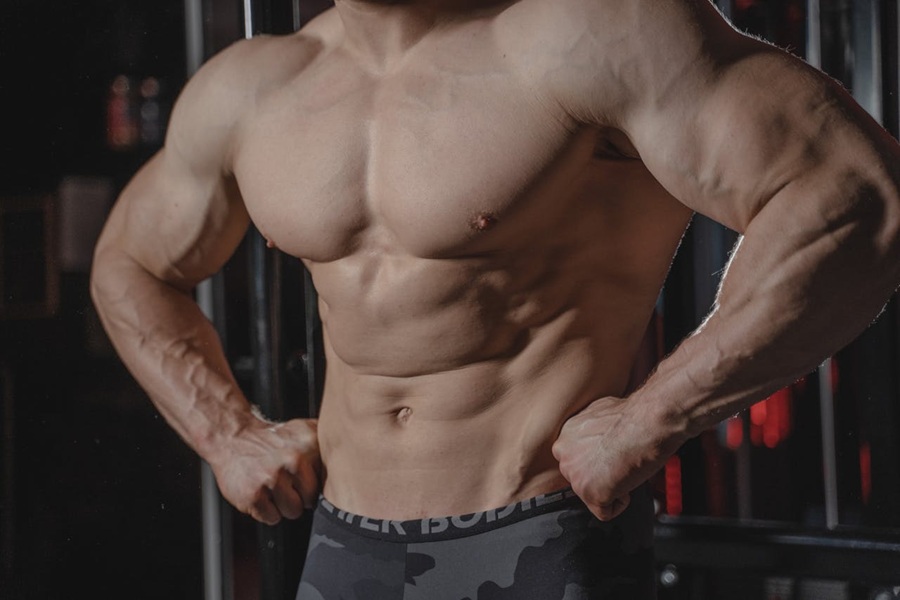
The Best Chest Exercises – Chest Training for Strength and Shape
A well-developed chest is one of the most recognisable signs of strength in the gym. Whether someone is new to weight training or has years of experience, chest training remains a cornerstone of a balanced bodybuilding routine. Strong chest muscles contribute not only to upper-body appearance but also to pushing strength, posture and overall athletic performance.
However, many gym-goers make the mistake of relying on just one or two familiar movements. To build a fuller, stronger chest, it is important to combine compound lifts with isolation exercises. This approach stimulates the muscle from different angles and ensures all sections of the chest are developed evenly.
In this guide, we will look at Chest Training for Strength and Shape, the most effective exercises and how to combine them for productive chest workouts.
Understanding the Chest Muscles
The chest is primarily made up of the pectoralis major and pectoralis minor.
The pectoralis major is the large muscle that creates the visible shape of the chest. It has two main regions:
Clavicular head (upper chest)
Sternal head (mid and lower chest)
Training from different angles helps stimulate these areas more effectively. That is why flat, incline and decline movements all have their place in a solid chest routine.
The Importance of Compound Chest Exercises
Compound exercises involve multiple joints and muscle groups working together. These movements allow heavier loads to be lifted, which stimulates muscle growth and builds overall strength.
1. Barbell Bench Press
The barbell bench press is widely regarded as the foundation of chest training. It allows lifters to move significant weight while targeting the mid-chest, shoulders and triceps.
Key benefits include:
Excellent overall chest mass builder
Allows progressive overload
Engages multiple upper body muscles
For many lifters, the bench press remains the central exercise in their chest workout.
2. Incline Dumbbell Press
The incline dumbbell press focuses more heavily on the upper chest while also engaging the shoulders.
Using dumbbells rather than a barbell has several advantages:
Greater range of motion
Improved muscle balance between sides
Increased stabiliser muscle activation
Developing the upper chest is essential for creating a full, rounded look across the upper torso.
3. Decline Bench Press
Although less commonly used today, the decline bench press places more emphasis on the lower chest.
It can be particularly useful for lifters who struggle to activate their lower pectorals with flat pressing movements.
Decline pressing also tends to place slightly less stress on the shoulders for some individuals.
Isolation Exercises for Chest Development
While compound lifts build the majority of chest size and strength, isolation exercises help refine muscle shape and improve the mind–muscle connection.
Chest Training for Strength and Shape targets the chest more directly and this is typically performed with lighter weights and higher repetitions.
4. Dumbbell Chest Flyes
Dumbbell flyes are a classic chest isolation exercise. Instead of pressing the weight, the arms move in a wide arc, stretching and contracting the chest muscles.
Benefits include:
Excellent chest stretch
Increased muscle activation
Helps improve chest definition
Flyes are often performed on a flat or incline bench to vary the emphasis on different areas of the chest.
5. Cable Chest Flyes
Cable flyes are highly effective because they maintain constant tension on the chest throughout the movement.
Adjusting the cable height allows the exercise to target different areas:
High-to-low flyes emphasise the lower chest
Mid-level flyes focus on the middle chest
Low-to-high flyes recruit more upper chest fibres
This versatility makes cable flyes a valuable finishing exercise.
6. Pec Deck Machine
The pec deck machine is another popular chest isolation movement.
It offers a controlled environment where lifters can focus purely on contracting the chest without worrying about stabilising the weight.
For beginners especially, the pec deck is a safe and effective way to learn how to activate the chest muscles correctly.
The Best Chest Exercise Combinations
The most productive chest workouts combine compound lifts with isolation exercises. This ensures both strength development and targeted muscle stimulation.
Here are a few effective combinations.
Strength and Size Focus
Barbell Bench Press
Incline Dumbbell Press
Cable Chest Flyes
This combination covers mid and upper chest while finishing with an isolation movement for additional muscle fatigue.
Upper Chest Emphasis
Incline Barbell Press
Incline Dumbbell Press
Pec Deck Machine
This routine is ideal for lifters who feel their upper chest is underdeveloped.
Balanced Chest Development
Barbell Bench Press
Decline Dumbbell Press
Dumbbell Flyes
Cable Flyes
This approach targets the chest from several angles for a balanced look.
Training Tips for Better Chest Development
Even with the best exercises, Chest Training for Strength and Shape depends on proper technique and consistency.
A few practical tips include:
Focus on form. Lower the weight under control and avoid bouncing the bar during presses.
Use a full range of motion. Allow the chest to stretch fully before pressing the weight upward.
Train the chest one or two times per week. This provides enough stimulus while allowing adequate recovery.
Progress gradually. Increasing weight slowly over time encourages steady muscle growth.
Final Thoughts
Chest Training for Strength and Shape is about more than simply bench pressing as much weight as possible. The most effective programmes combine heavy compound lifts with targeted isolation exercises to stimulate the chest from multiple angles.
By incorporating movements such as the bench press, incline dumbbell press, cable flyes and pec deck, gym members can build both strength and muscle definition over time.
Consistency, good technique and sensible exercise selection will always outperform random workouts.
For anyone looking to improve their Chest Training for Strength and Shape, a balanced approach using these proven exercises is a strong place to start.
The article ‘Chest Training for Strength and Shape’ was written and first published on behalf of Bill Jones Mr Universe on Saturday 7th March 2026 at 22:10 and is subject to copyright – All Rights are Reserved.
If you liked this article, you will definitely like Evidence Based Strength Training and this one named Old School v Modern School Gyms.
All the best guys!